
Is a Dental Bridge the Same as a Dental Implant?

If you look at the results of a dental bridge and a dental implant, you might be tempted to think that they’re a very similar procedure. After all, both devices will fill in the gap of your smile, giving you the full set of teeth you crave. In reality, these two services have some very distinct differences, and not just in terms of the length of the procedure.

Bridge vs. Implant

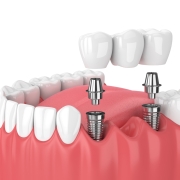
In a nutshell, a bridge is an artificial tooth that sits above the gumline. It’s not like a partial denture because it’s a permanent solution — with your surrounding natural teeth serving as the anchors for the bridge. An implant doesn’t rely on healthy teeth that surround the gap, but instead on a metal post under the gumline. This post is attached to an abutment before the final tooth is placed.

Why Do Dentists Prefer Implants?

Dentists in University Heights typically prefer implants because they’re stronger than bridges. While you’ll still need to exercise some care with your implants, they’re as close to the real thing as you can get.

Which One Is Right for Me?

The best option for you depends on your preferences and your expectations. Implants require a strong jawbone and not every patient is eligible for an implant. In addition, implants can take months to complete, depending on how quickly it takes for the metal post to fuse to your jaw.

If you have questions about how to replace a missing tooth in University Heights, contact Innovative Smiles to learn more about how we can help you figure out the best solution.

What Should You Do If Your Dental Bridge Breaks?

Having a dental bridge is a great way to replace a missing tooth. Though these structures are made to be durable, they can still break. What should you do if this happens? Our dentists in University Heights, OH, at Innovative Smiles offer the following advice on how to handle this situation.

Save the Bridge Pieces

If possible, gather the damaged or broken pieces of your dental bridge to bring to your appointment. Keep them in a safe container to prevent additional damage.

Don’t Try to Do a DIY Fix

Avoid trying to glue a bridge back together or make other repairs on your own. Doing this can result in even more damage to your bridge or cause other problems.

Take OTC Pain Relievers

You can use nonprescription medication to ease any discomfort you’re feeling after a bridge breaks.

Chew With Care

Don’t bite down or chew hard in the affected area until your dental bridge has been repaired or replaced, since this can cause more damage.

See Our Dentists for Bridge Repair

Our dental team offers repair and replacement services for dental bridges in University Heights, OH. We can put your bridge back together or give you a new one, depending on your situation.

Take Steps to Prevent Dental Bridge Damage

Don’t eat foods that are really sticky or hard to chew. Come in for routine dental care so we can check the condition of your bridge.

Visit Our Dentists for Dental Bridge Care!

Do you have a broken bridge? Our dentists at Innovative Smiles can provide repairs or even replace dental bridges in University Heights, OH, as needed. We offer timely service to help protect your teeth from harm!

What Are the Advantages of Getting a Maryland Dental Bridge? 

Have you been exploring dental bridges as an option to replace a missing tooth? Maryland dental bridges are among the different kinds available that our dentists in University Heights, OH, at Innovative Smiles offer. Here’s a better look at the types of benefits this bridge may provide.

It Preserves Natural Teeth

Unlike traditional bridges, Maryland bridges don’t involve placing crowns on the adjacent teeth to hold them in place. That helps preserve the structure and strength of those teeth.

It’s Less Invasive

Maryland dental bridges use wings that attach to the backs of the adjacent teeth, rather than crowns. This is much less invasive and doesn’t require as much preparation, such as removing enamel from those teeth, as crowns do.

It Enhances Smiles

A Maryland dental bridge may be a great option for a missing front tooth. It’s not as durable as traditional bridges are, making it less suitable for back teeth. But using it to replace a front tooth improves your smile!

It’s a Quick Process

Getting Maryland dental bridges in University Heights, OH, doesn’t take as much time as getting other types of bridges. It also has a shorter time for recovery compared to other bridges.

It’s Cost-Effective

Maryland dental bridges tend to cost less than traditional bridges and other bridge types, making it more affordable for patients who choose this option.

Set Up a Visit for a Dental Bridge

Not sure what type of bridge is best for your situation? Our dentists at Innovative Smiles offer different types of dental bridges in University Heights, OH, including Maryland bridges. We can determine which type would work best for you based on tooth location and other factors.

When Should You Consider Getting an Implant-Supported Dental Bridge?

Have you been looking into different solutions for replacing missing teeth? An implant-supported bridge may be a good option for you to consider. At Innovative Smiles, our dentists in University Heights, OH, offer this and other bridge types for patients to choose from. Here’s when you might think about getting a bridge with dental implants.

How Many Teeth Are You Missing?

An implant-supported bridge isn’t for everyone with missing teeth. It’s most suitable if you’ve lost a few or more teeth in a row, rather than just a single tooth or a few teeth in different areas of your mouth.

Are Your Teeth and Gums in Good Shape?

You’ll need to have a healthy mouth if you want to get implants and a dental bridge. We may need to treat existing problems, like tooth decay, before beginning the implant process.

Do You Have Enough Jawbone for Implants?

Most implants involve having a post inserted in your jawbone, so it can fuse to the tissue and act as an anchor. You’ll need an adequate amount of jawbone for this — or you may need to undergo bone grafting to achieve that.

How Soon Do You Want a Bridge?

Getting an implant-supported dental bridge isn’t a quick process. It can take several months overall, since your jaw needs a few months or more to recover from the post placement.

Schedule a Visit for Dental Restoration Today!

Are you planning to replace missing teeth with an implant-supported bridge? Or are you unsure which type of bridge you should get? Our dentists at Innovative Smiles offer different types of dental bridges in University Heights, OH. We can help you pick the most suitable type for restoring your teeth.

Best Ways to Care for a New Dental Bridge 

Are you planning to get a dental bridge for a missing tooth? These restoration options offer a great way to replace a lost tooth! While bridges are durable, they might not last as long without proper care. Our dentists in University Heights, OH, provide the following tips for maintaining dental bridges.

Brush Your Teeth Regularly

Make sure you brush twice a day to keep the area around your bridge and your natural teeth clean and free of debris and bacteria.

Floss Daily

Flossing helps remove food particles that can get under your bridge and cause oral health problems. Use a floss threader to reach these areas and regular floss between your natural teeth.

Avoid Certain Foods

Don’t eat foods that are tough to chew, like sticky or hard foods. These can end up damaging your dental bridge or loosening it.

Schedule Routine Dental Cleanings

Come in for exams and cleanings twice per year so we can check your bridge and make sure it’s in good shape!

Choose Nonabrasive Toothpaste

Avoid using toothpaste that contains abrasive ingredients since these can damage dental bridges.

Avoid Chewing on Non-Food Items

Biting down on ice or other objects can cause bridges to become loose or damaged. Don’t chew on your fingernails either! This helps your dental bridge last longer without needing to be replaced or repaired.

Set Up a Visit for a Dental Bridge!

Do you need to replace a tooth? At Innovative Smiles, we offer dental bridges in University Heights, OH, as an effective way to restore functionality or make your smile look more natural. We’ll give you advice on taking good care of your new bridge so it lasts!

What Type of Dental Bridge Is Right for You?

Did you know that a dental bridge can replace missing teeth, enhancing your smile and giving you better functionality? At Innovative Smiles, our dentists in University Heights, OH, provide this restoration option to patients. But there isn’t just one type available. In fact, we offer a few types to suit different situations. Let’s go over the different kinds to help you decide which may be right for you!

Traditional Dental Bridges

Do you have healthy teeth on both sides of the gap? Then this bridge might be the ideal solution! Traditional bridges use these adjacent teeth as anchors to hold the bridge structure in place. The replacement tooth or teeth form the middle part of these bridges.

Cantilever Bridges

Do you only have one tooth next to a gap? Then we might recommend a cantilever bridge instead of a traditional one. This type anchors to one healthy tooth next to the space where missing teeth were.

Maryland Bridges

Looking for an option without crowns? Maryland dental bridges use metal wings to hold bridges in place on the backs of your teeth, rather than anchoring them to adjacent teeth.

Implant-Supported Dental Bridges

Are you missing a few or more teeth in a row? We may recommend getting this type of bridge. Implant-supported bridges use dental implants to hold the bridge structure secure instead of dental crowns.

Set Up an Appointment for a Dental Bridge!

Not sure which kind of bridge is best for you? Our dentists at Innovative Smiles can determine the right kind to replace missing teeth. We offer different types of dental bridges in University Heights, OH, allowing us to choose the ideal one for your mouth!

How Does a Dental Bridge Help Your Teeth and Smile?

So you have a couple or a few teeth missing. Depending on where they are, you might struggle to chew or feel uncomfortable smiling. But a dental bridge can solve these problems, giving you an enhanced smile and functioning teeth again! Our dentists in University Heights, OH, offer this tooth restoration service. We’ll go over how dental bridges benefit your smile and teeth!

Improved Appearance

Will other people know you have a bridge? No, it’s unlikely they’ll be able to tell. Dental bridges are designed to blend in with your other teeth, providing a natural look. With this restoration in place, you’ll also be getting rid of unsightly gaps in your mouth where teeth used to be. That means you can smile more confidently!

Restored Ability to Chew and Bite Food

Are you missing teeth in the back of your mouth? This can cause you to have difficulty chewing food. If your incisors or front teeth are gone, you can have trouble biting into food. A dental bridge restores your ability to chew and bite, making it more comfortable to eat.

Tooth Shifting Prevention

Having missing teeth can affect your remaining teeth. They may move out of position while attempting to close up gaps. But a dental bridge helps prevent teeth from moving or shifting. The artificial teeth serve as replacements, with the neighboring teeth acting as abutments.

Schedule a Visit Today for a Dental Bridge!

Don’t let missing teeth get in the way of having a beautiful smile! At Innovative Smiles, our dental team offers dental bridges in University Heights, OH, to replace teeth you’ve lost from decay or other damage. Let’s work on improving your smile!

Bridge Vs. Implant: What You Should Know

Losing a tooth can be a difficult experience, but it can help to know that there are solutions available to you. A dental bridge or an implant at Innovative Smiles, can not only replace the tooth, it can help you maintain your facial structure and preserve the health of your teeth and gums. If you’re asking which one is better for you, we’ll look at the differences so you can make the decision.

The Basics of a Dental Bridge

A dental bridge is there to cover the gap between two teeth, and it works by placing a full crown between two partial crowns on the healthy teeth on either side of the missing tooth. The false tooth is held in place by the cemented crowns on either side so that you can talk and chew normally. The materials used can be made to match the surrounding areas, too, so it looks like your natural teeth.

The Basics of Dental Implants

A dental implant is attached not by crowns on either side but with a titanium post in the jawbone. Because the post fuses to the bone, it’s meant to act more like a real tooth. It can also potentially prevent the bone from shrinking because every new bite helps stimulate its growth.

How to Decide

Bridges and implants are both meant to fill in the gaps of a real tooth, but the truth is that implants are usually the preferred option for dentists. Not only does it tend to be more stable than a bridge, but it’s also better for the bone. It’s worth noting that people without strong jawbone density will not be good candidates for implants. In that case, a bridge can be a good compromise.

Dentists in University Heights

If you’re looking for a dentist that specializes in dental implants, the staff at Innovative Smiles are here to help. Implants not only fill in the gaps in your mouth, preventing other teeth from sliding in, but they give patients more motivation to keep up with thorough brushing and flossing routines. If you still have questions about bridges or implants, contact us today to see how we can help you decide.